


5 Key Factors That Determine A Truck Accident Settlement
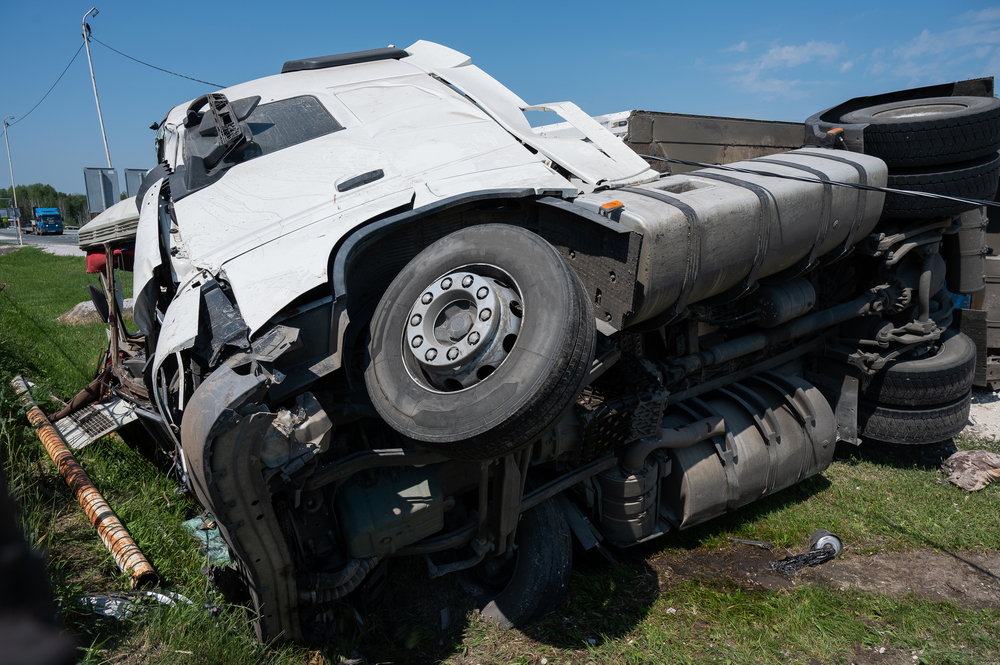
The aftermath of a truck accident doesn’t usually begin when the wreckage is cleared from the roadway. The real struggle for many victims begins with mounting medical bills, missed time at work, and uncertainty about how financial recovery actually works.
Questions about truck accident settlement factors often arise quickly because commercial trucking cases are governed by complex rules that differ from those in standard vehicle accident claims.
Truck collisions involve massive vehicles, federal safety regulations, and insurance policies to protect large corporations. Settlement values can vary dramatically depending on how these elements intersect with the injuries and financial losses involved.
Understanding how compensation is evaluated can help accident victims recognize the elements that influence settlement discussions and prepare for the legal process ahead.
Truck Accident Settlement Factors Explained
Settlement negotiations usually revolve around several key elements tied directly to accident evidence and financial loss. People seeking legal guidance from experienced truck accident lawyers in New Jersey often learn early on how trucking claims involve layered liability, federal regulations, and high-value insurance policies.
Commercial truck crashes rarely resemble standard passenger vehicle accidents due to the size and operational demands tied to the trucking industry.
Below are five major elements insurers and legal teams review when determining compensation after a trucking collision.
Liability and Fault Analysis
Fault determination often carries the greatest weight in any commercial truck injury claim. Insurance carriers begin settlement evaluation by examining evidence tied to driver behavior, company safety practices, and mechanical performance.
Truck accident liability can involve multiple responsible parties. Truck drivers, trucking companies, cargo loading crews, and vehicle maintenance contractors may share responsibility depending on the circumstances of the crash.
Federal transportation regulations create strict safety guidelines governing driving hours, vehicle inspections, and cargo weight limits. Violations frequently become key evidence during settlement negotiations.
Several forms of evidence often influence liability investigations:
- Police accident reports documenting initial findings
- Black box data recording speed, braking patterns, and driving time
- Driver logbooks tracking rest periods and route schedules
- Eyewitness testimony describing crash events
- Surveillance or dash camera footage
- Mechanical inspection records and maintenance logs
Clear negligence often increases settlement offers because insurers face higher litigation risk. Conflicting evidence or shared fault can reduce the amount of compensation. Insurance adjusters frequently argue for victim contribution to lower financial exposure, which makes early evidence collection extremely important.
Truck crashes sometimes involve unexpected mechanical failures or third-party driver behavior. Sudden equipment malfunctions or reckless driving from other motorists can complicate liability evaluations and influence settlement outcomes.
Property Damage and Financial Loss
Vehicle damage is often among the earliest financial consequences after a trucking collision. Tractor-trailers carry significant mass and generate tremendous impact force, often leading to catastrophic vehicle destruction.
Settlement calculations for property loss usually rely on fair market value assessments. Insurance carriers examine vehicle condition, mileage, age, and comparable resale data when determining compensation. Loan balances or recent upgrades rarely influence settlement value, which can create financial gaps for accident victims.
Property loss claims can include more than vehicle replacement. Accident victims sometimes recover compensation for:
- Personal electronics damaged during the impact
- Medical devices or mobility equipment
- Child safety seats requiring replacement after a crash
- Work equipment stored inside a vehicle
- Personal belongings destroyed during the collision
Repair disputes sometimes arise when insurance carriers question repair costs or liability responsibility. Vehicle owners may initially rely on their own insurance company before reimbursement negotiations occur between carriers.
Medical Expenses and Future Treatment Needs
Medical costs frequently represent the largest financial component when evaluating factors influencing truck accident settlement outcomes. Commercial truck collisions often produce severe injuries requiring extensive treatment and rehabilitation.
Common injuries linked to trucking accidents include spinal cord damage, traumatic brain injuries, internal bleeding, fractures, and permanent mobility limitations. Medical expenses extend far beyond emergency treatment and hospital stays.
Settlement discussions typically include:
- Emergency medical transportation and trauma care
- Surgical procedures and hospital admissions
- Prescription medication and pain management
- Physical therapy and rehabilitation programs
- Psychological counseling following traumatic accidents
- Long-term nursing or in-home care requirements
Projected future medical treatment plays a significant role in settlement negotiations. Medical specialists often evaluate expected recovery timelines, ongoing therapy requirements, and potential surgical interventions. Lifetime care projections can significantly influence final settlement value.
Insurance carriers frequently dispute the necessity of treatment or the connection to accident-related injury. Detailed medical records, physician reports, and diagnostic imaging often help establish the legitimacy of treatment and its long-term medical impact.
Lost Income and Reduced Earning Potential
Employment disruption often creates financial strain for injured victims long after initial medical treatment concludes. Commercial truck collisions frequently cause injuries severe enough to prevent individuals from returning to work immediately or permanently.
Lost income calculations focus on documented missed work hours and average earnings prior to injury. Payroll records, employer statements, and tax documents often serve as evidence when presenting wage loss claims.
Reduced earning capacity involves more complex financial projections. Settlement negotiations address long-term employment limitations resulting from permanent injuries. Physical disabilities, cognitive impairments, and emotional trauma may prevent victims from returning to previous careers or advancing professionally.
Employment loss evaluations often involve reviewing:
- Education level and professional training
- Physical demands of prior employment
- Job market availability for alternative employment
- Career advancement opportunities lost due to injury
- Future wage growth projections based on industry data
Economic experts sometimes analyze the reduction in lifetime income based on anticipated retirement age and occupational limitations. High-income earners or individuals working in physically demanding industries may experience significant long-term financial consequences following catastrophic injuries.
Individuals seeking legal help for vehicle collisions involving commercial trucks and passenger vehicles can explore their options. They can also review guidance from experienced car accident lawyers in New Jersey when facing complex insurance claims.
Pain, Suffering, and Lifestyle Impact
Pain and suffering damages consider how injuries affect daily living, relationships, and mental health. Settlement evaluations may include physical discomfort, emotional distress, permanent disfigurement, and loss of independence.
Legal teams often present evidence demonstrating life changes caused by accident injuries. Evidence may include medical evaluations, psychological treatment records, testimony from family members, and personal journals documenting daily limitations.
Insurance companies often challenge pain and suffering damages because these losses lack a fixed monetary value. Jury perception during potential trial proceedings frequently influences settlement negotiations, especially when injuries result in permanent disability or long-term emotional trauma.
Family members often experience indirect consequences following catastrophic injuries. Loss of companionship, limitations on household contributions, and caregiver responsibilities can all influence settlement discussions when properly documented.
Taking the Next Step After a Commercial Truck Crash
Settlement negotiations in trucking accident cases often involve multiple insurance carriers, corporate defendants, and regulatory violations. Accident victims frequently face overwhelming legal and financial challenges when trying to recover compensation alone.
Our team at Corradino & Papa, LLC has seen how trucking collisions disrupt lives across New Jersey. Our attorneys build strong cases through accident reconstruction, expert medical analysis, and financial loss evaluation to pursue fair compensation. Trucking accident claims often involve complex negotiations requiring extensive legal experience and trial preparation.
Injured individuals seeking legal guidance after a commercial trucking accident can contact our team through our online form to review legal options and potential case value. Connect with our legal team and learn how we help accident victims pursue financial recovery after serious trucking collisions.
Related Posts
- The U.S. Counties With the Highest (and Lowest) Rates of Fatal Work Zone Traffic Accidents
- So, What’s My Injury Case Really Worth?
- Road Construction Zone Danger Cuts Both Ways
- Personal Injury Firm Explains the Difference Between Filing For A Car Accident vs. a Truck Accident
- Construction Accident Injuries: One of the Most Dangerous Industries in the US